
All images were taken by MDL’s author.
House Finch
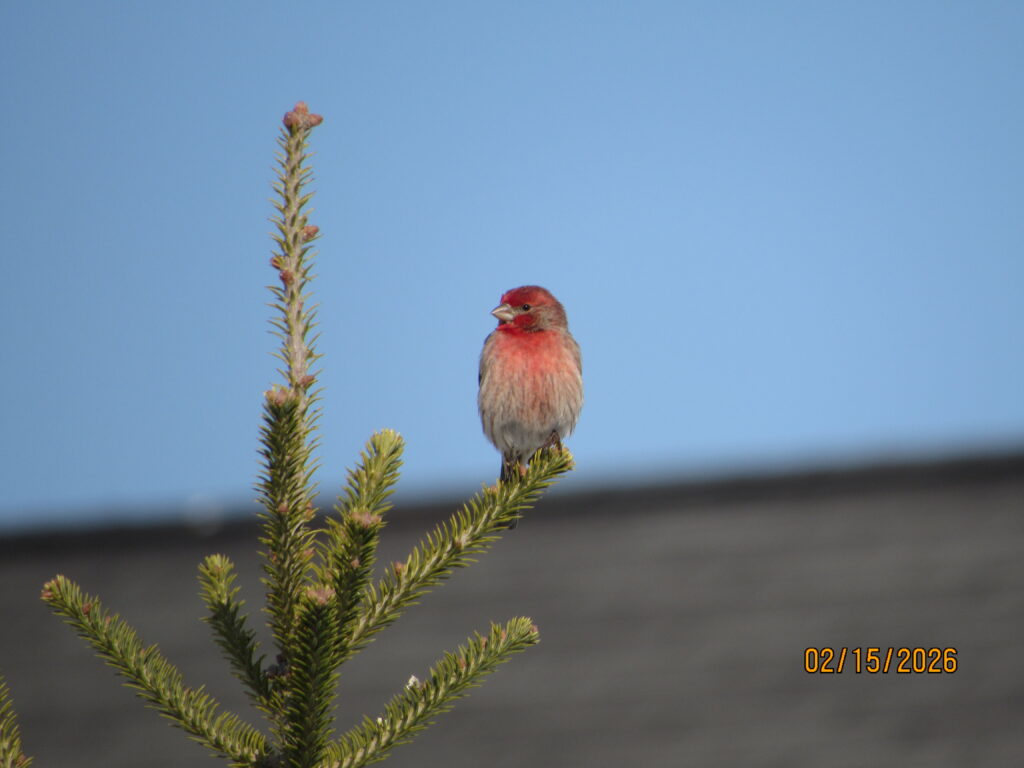
Gender: Male
The House Finch is a year-round resident of Canton and the greater continental United States. The males of the species sport a recognizable bright red on their upper bodies along with a cheerful call. According to A Field Guide to Backyard Birds of North America by Daniel O’ Sullivan, the distinctive red found on male House Finches can vary in hue with the volume of berries and fruits in their diets.
The House Finches pictured in this section have been a constant in Canton, always providing a pop of color to the flora of the area.
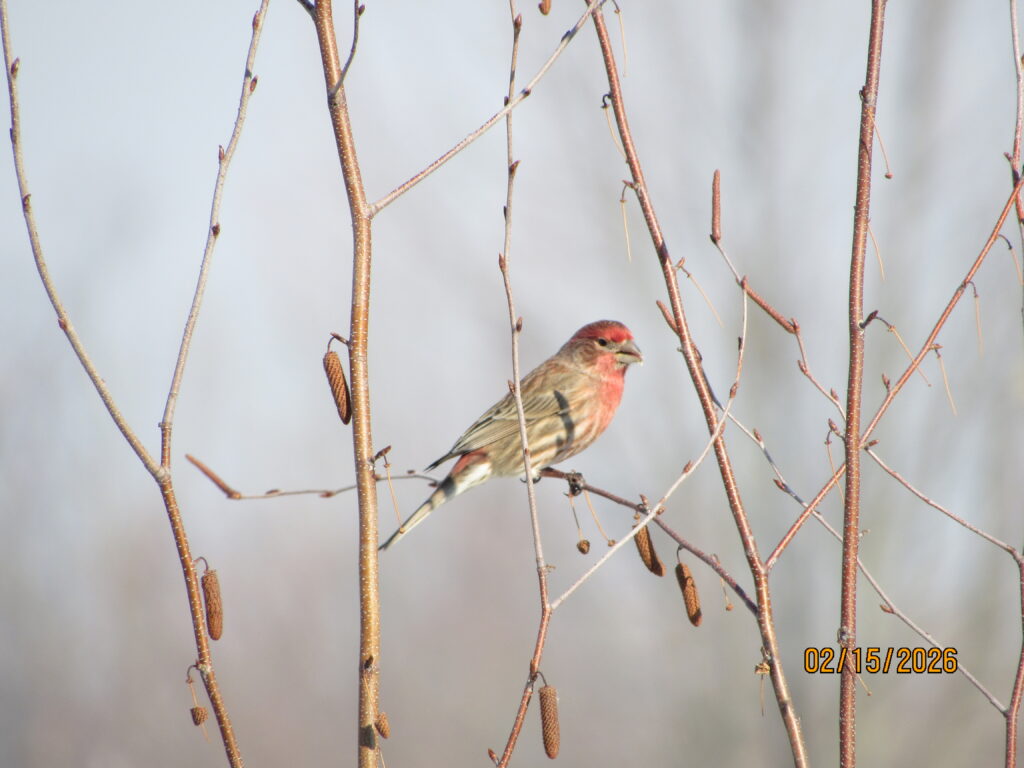
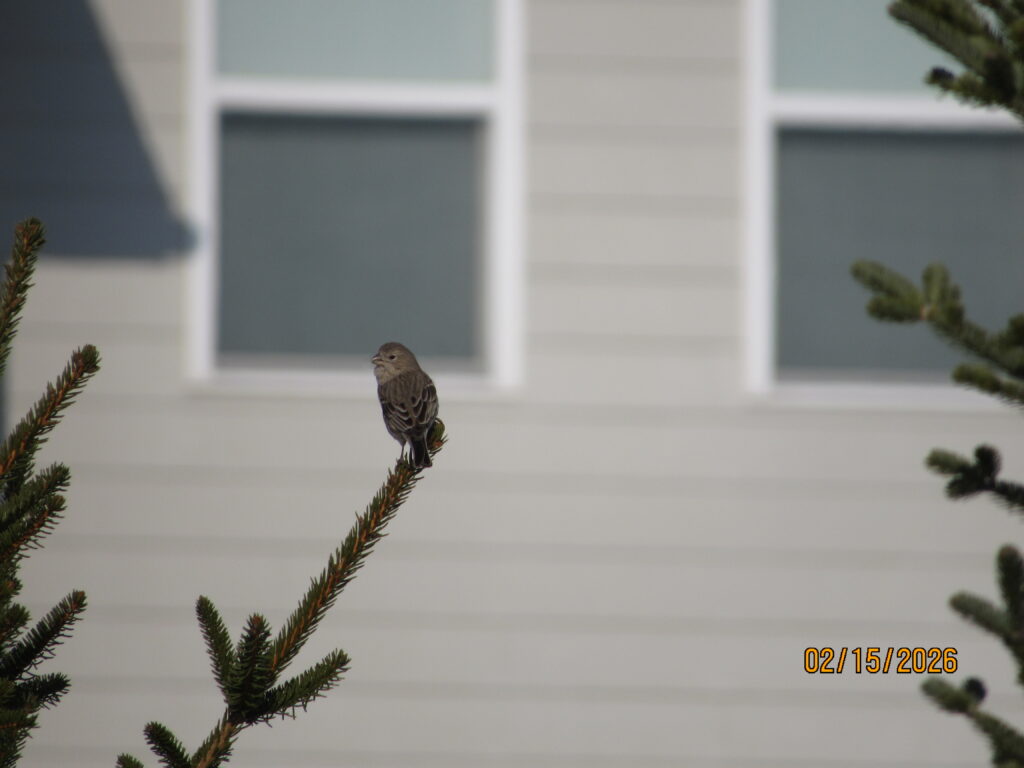
Gender: Female
Northern Cardinal
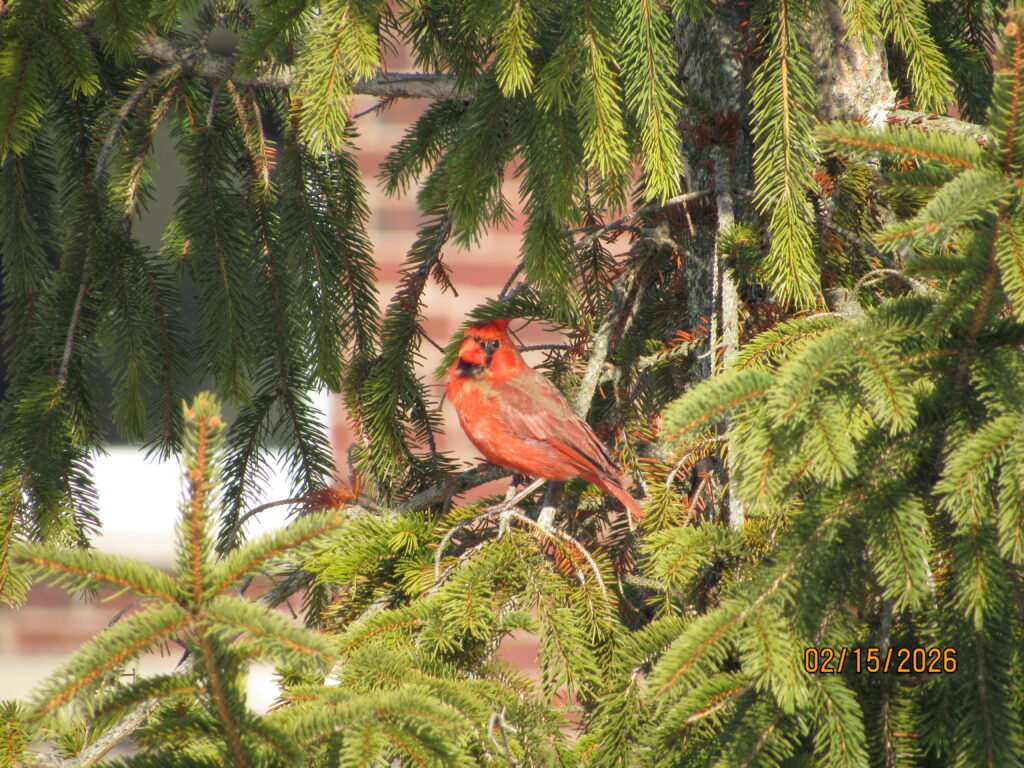
Gender: Male
Pictured on the left is a Northern Cardinal, one of the most recognizable birds in North America. The males of the species feature a vibrant red while the females, like the house finch, are more brown with highlights of red on their heads and beaks. While their most recognizable feature is their color, their pointed heads act as confirmation that the red blob you’re looking at from afar is actually a cardinal.
These birds typically mate for life. Truly admirable.
Blue Jay
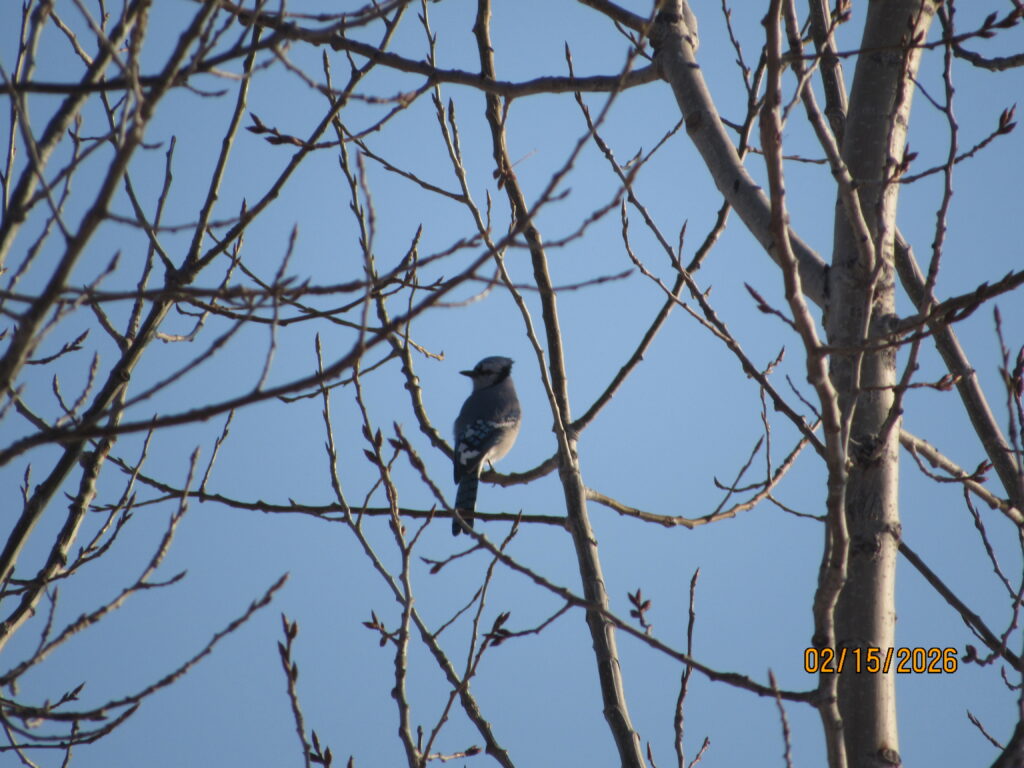
Gender: Unknown
Blue jays, unlike most other birds, tend to vary only in size and behavior between genders. One key difference between the two is size, males tend to be slightly larger than their female counterparts. They sport multiple calls, a signature of the species is their adeptness for mimicry.
They often come around to feeders in the area to eat peanuts and various tree nuts. I have been told that they stash the various nuts they find in different caches but are notoriously bad at finding them.
House Sparrow
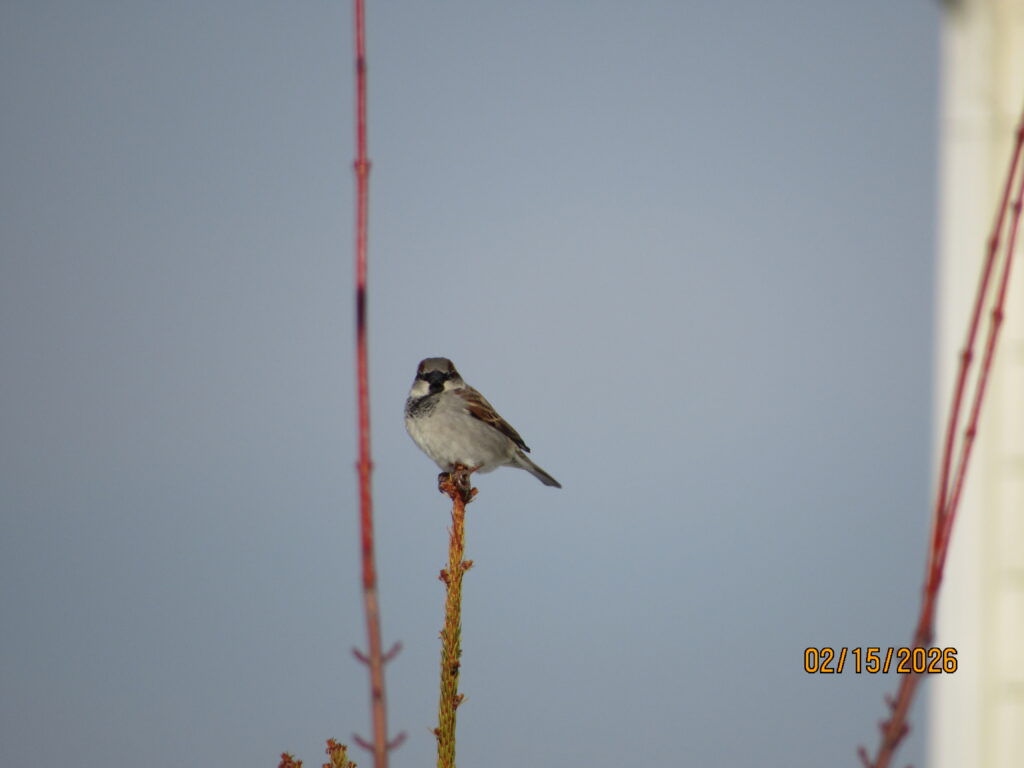
Gender: Male
The House Sparrow is not a native American species. According to CornellLab’s All About Birds online guide, the species was, “introduced into Brooklyn, New York, in 1851”. In my opinion though, this bird is just as American as a bald eagle. It’s practically a mainstay in North America having immigrated here in the 1800s like many of the country’s residents.
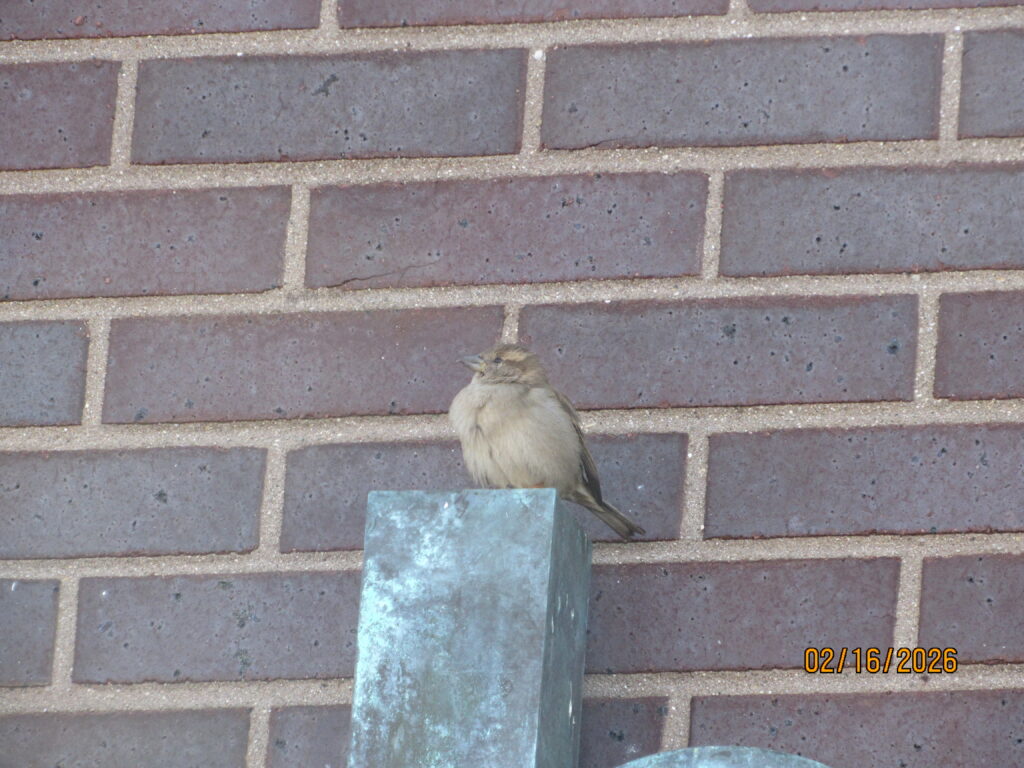
Gender: Female
American Crow
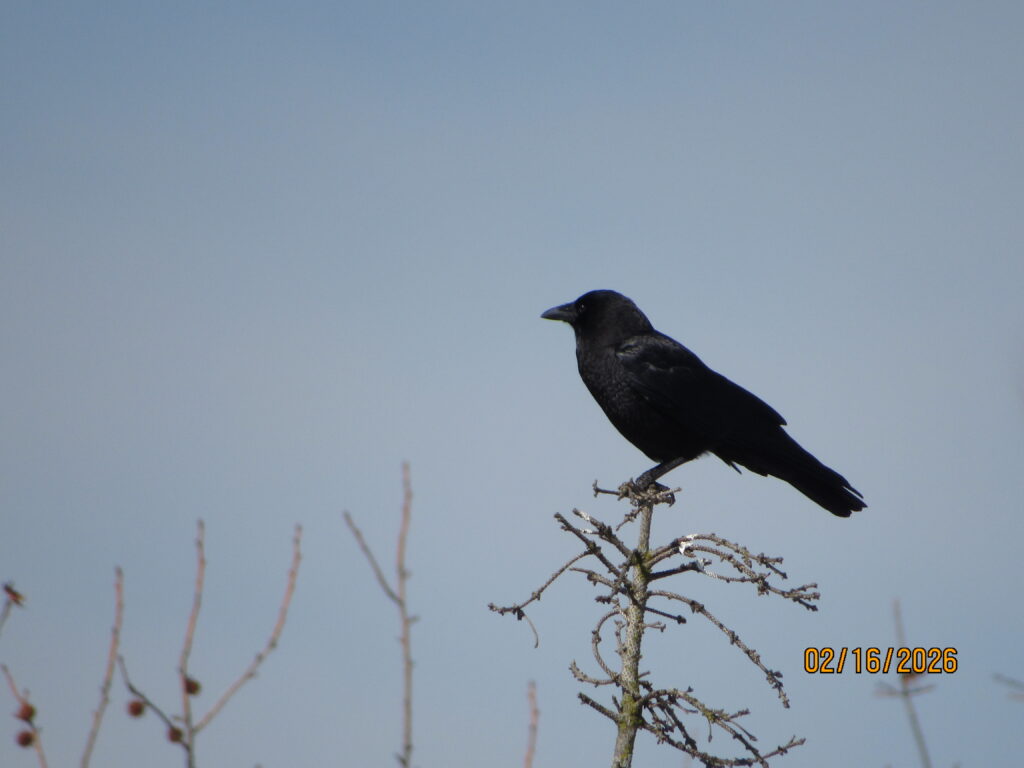
Gender: Unknown
The American Crow, like the Blue Jay, also poses an interesting challenge for birders looking to identify their genders. Females are said to be slightly smaller than their male counterparts and also partake in the typical nesting behaviors that are seen in female birds.
This American Crow is one of a trio that has been seen around the area. I am not sure how many crows are needed to be classified as a ‘murder of crows’ but I would call this group an ‘attempted murder.’
European Starling
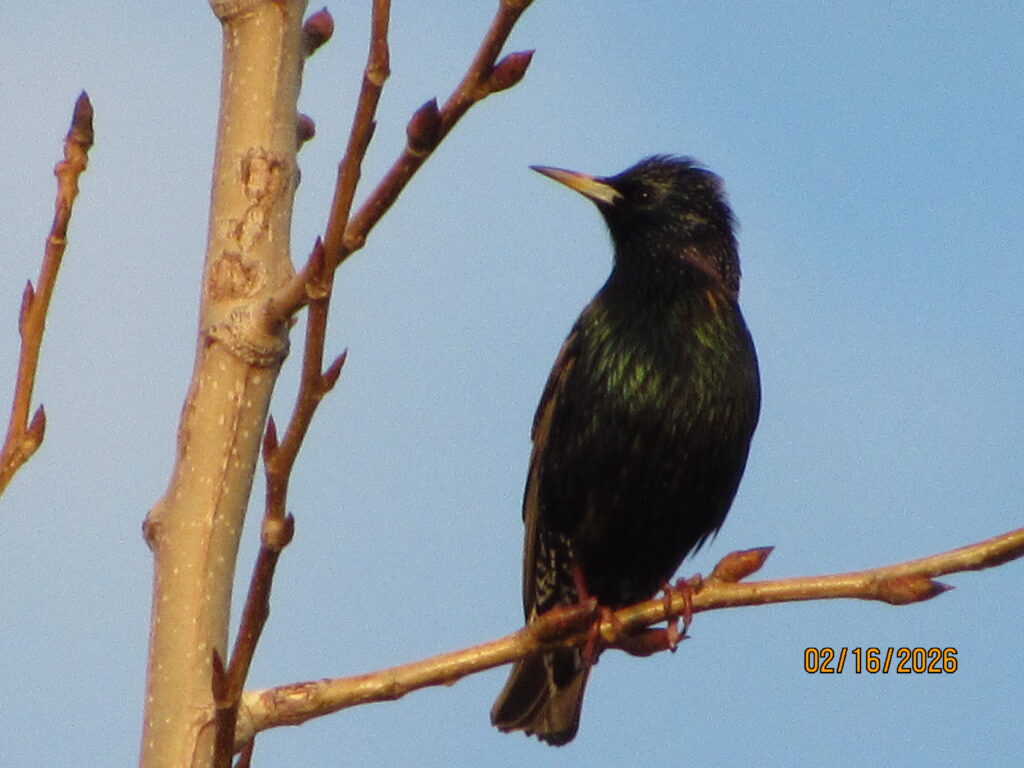
Gender: Male
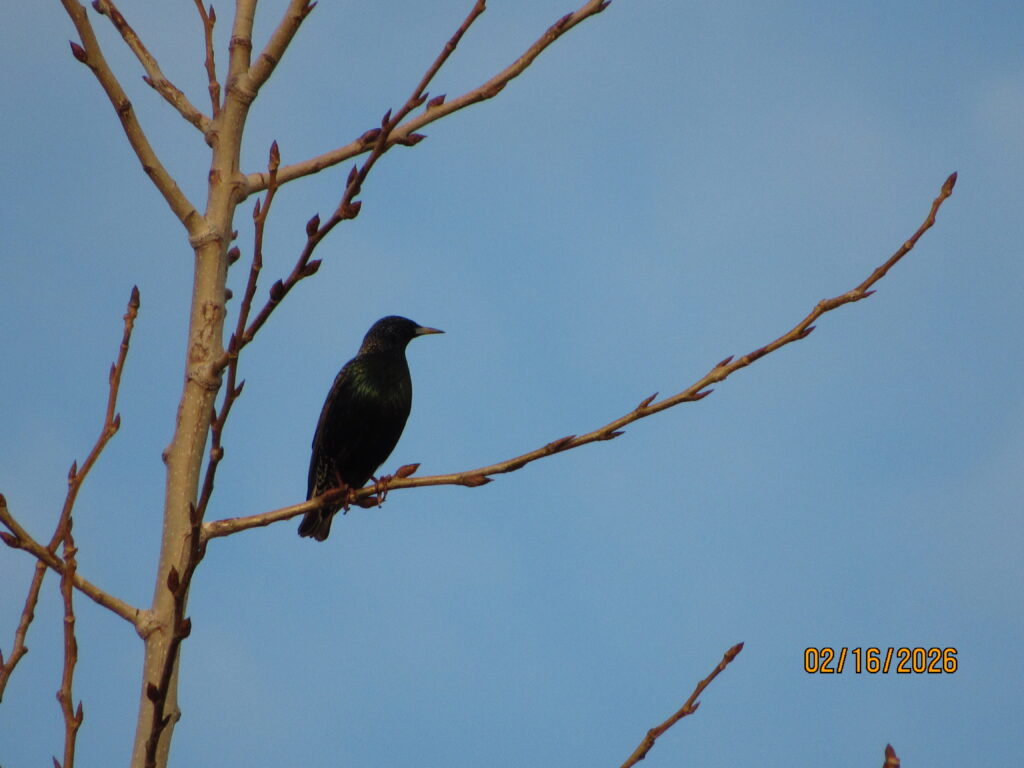
Like the House Sparrow, the European Starling is also not a native of the United States (could you tell by the name?). According to CornellLab’s All About Birds online guide the European Starling was, “first brought to North America in the late nineteenth century.”
They’ve been known to clear out feeders quickly, storming through birder’s backyards like a tornado. This one pictured on the left is in its breeding plumage, presumably looking for love in Canton, how romantic.
Mourning Dove
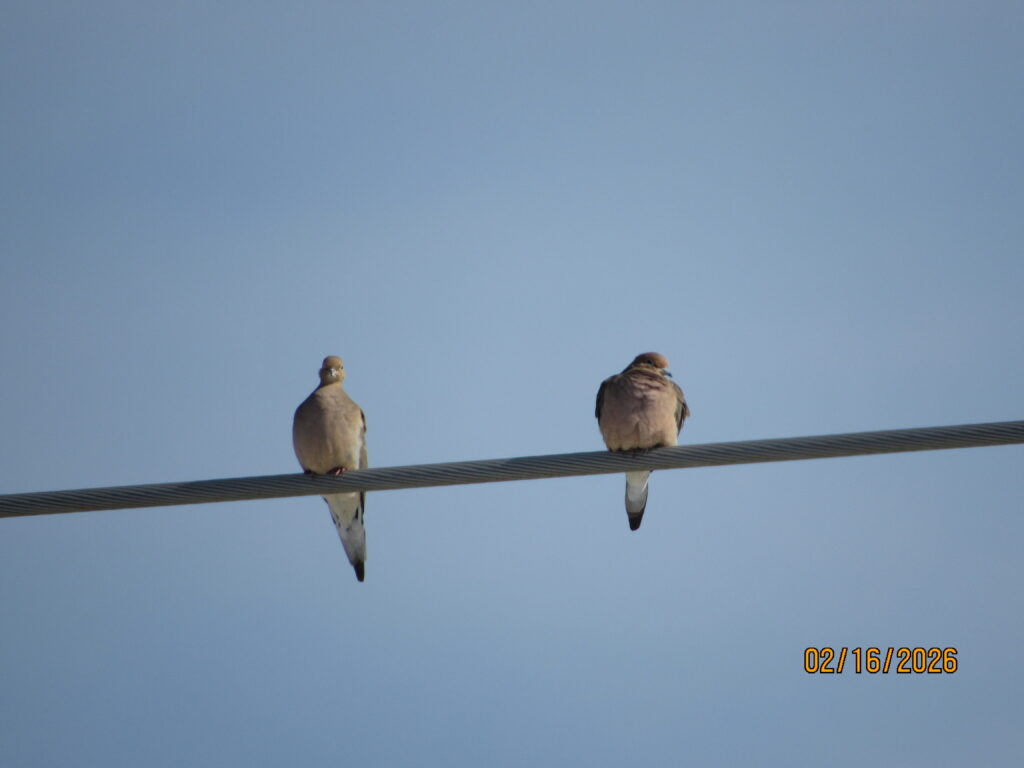
Gender: Pictured on the left is a female mourning dove and on the right is a male.
Mourning Doves are found all around the continental United States, often recognized by their beautiful cooing. If you’re not in an area dominated by Rock Pigeons, the cooing you hear in the mornings and evenings can be attributed to this beautiful bird.
Despite the name, these birds are not in mourning! They are out in the morning though! Typically they feed on the ground, although I have noticed some of these birds taking to feeders suspended in the air when the ground is bare.
The Mourning Dove is one of my favorite birds, if you wanted to know.
Canadian Goose
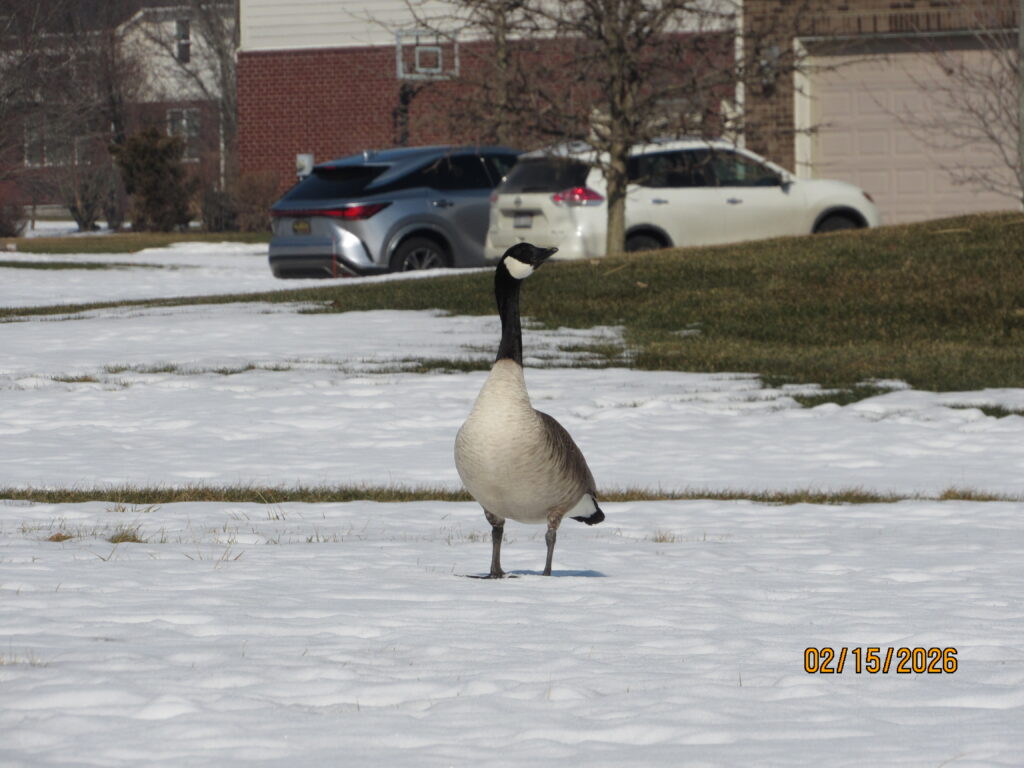
Gender: Unknown
We’re all familiar with this bird. Maybe you’ve been victimized by them or walked through a park, seen them congregating in large numbers ahead, and turned around. Many despise the Canadian Goose although I firmly believe that they, just like any other bird, have their rightful place in our hearts. They’ve got a distinctive look, funny honk, and, most importantly, are the real deal family-bird.
This Canadian Goose is half of, what I presume to be, a couple looking to settle down at a nearby pond and have their goslings in the spring. The first of the geese back from their winter excursions, the couple has been observed going on evening walks in fields and hissing at Canton’s residents, truly romantic.
Rock Pigeon
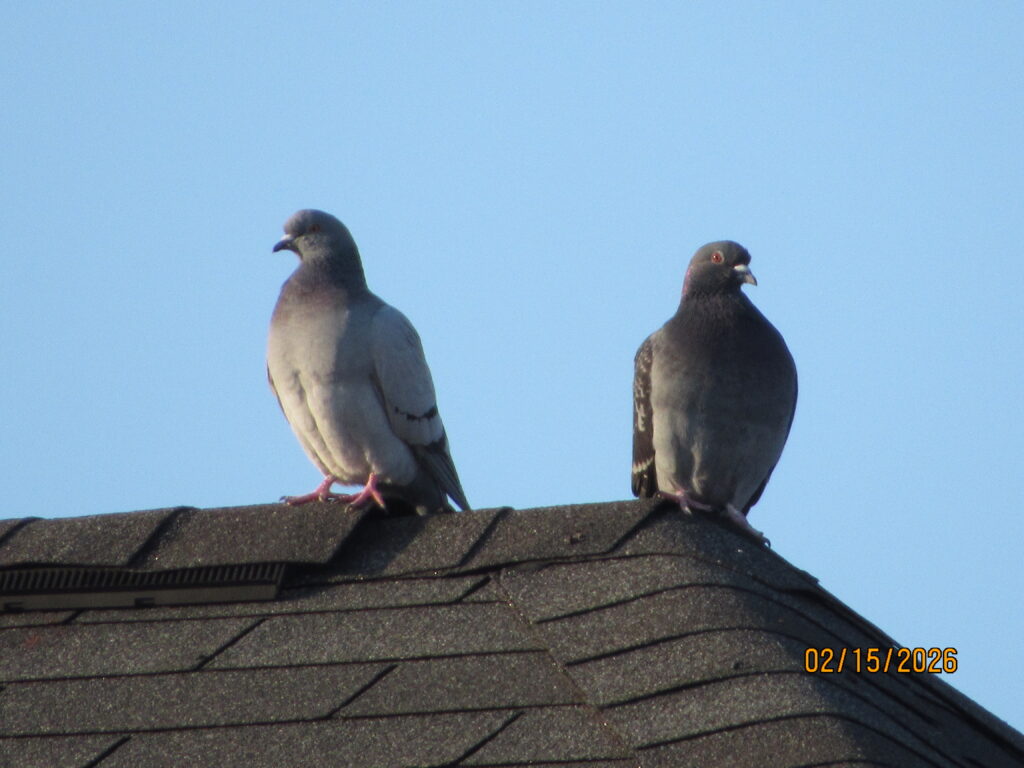
Gender: Unknown
Rock Pigeons in Canton? Shouldn’t they be in a densely-populated metropolis, harassing children for a bite of their ice cream and building shoddy nests on the sidewalk? I presume that this couple(?) flew in from Detroit to visit their Mourning Dove relatives for the weekend.
It should be noted that this was my first ever sighting of Rock Pigeons in Canton.
Squirrel
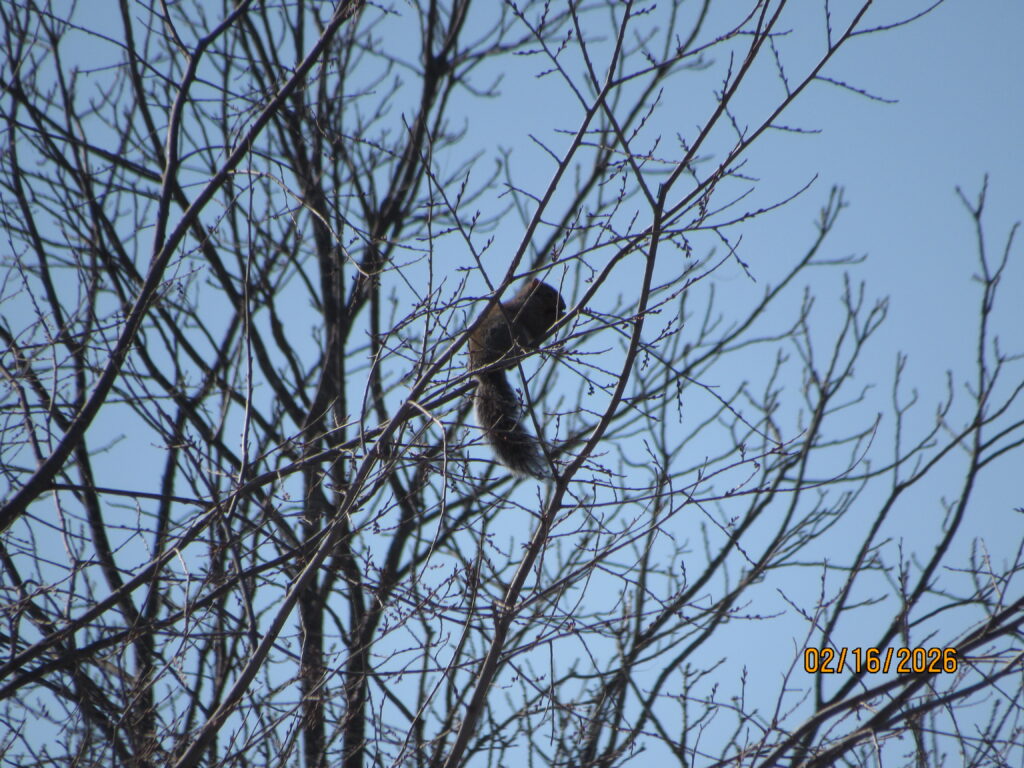
Gender: Unknown
Contrary to popular belief, this is actually not a bird. This is a squirrel, if you look closely it doesn’t even have feathers. I have been told that some squirrels do fly, but not this guy.